
Pressure across the whole chain. The operation can't stop.
For more than twenty years we've built, integrated and maintained the systems energy operations use every day: core platforms, field applications, data and AI.
Digital investment has to prove itself in the operation.
Oil and gas operations run distributed: assets, teams and systems spread across sites, bases and regions that have to work as one. In Brazil that's happening amid an expansion: new platforms coming online and service volumes growing faster than the structure that supports them.
The sector has invested in digital for over a decade and the return doesn't always show. Deloitte projects 2026 as the year real-time analytics and agentic AI move from pilot to operation; industry surveys show fewer than a third of oil and gas companies are satisfied with the return on what they invested in cloud, AI and operational technology. That's why we measure the process before and after, and deliver to production, with people actually using it.
What the sector wants now is AI and efficiency. We deliver both on the data the operation already records: agents that answer from the manual and the asset's history, prediction and prioritization on what the field reports. That's how AI gets past the pilot and starts paying off inside the operation.
Where the return has already shown up.
Results measured in production, in the hands of the people using them, each with the work that produced it.
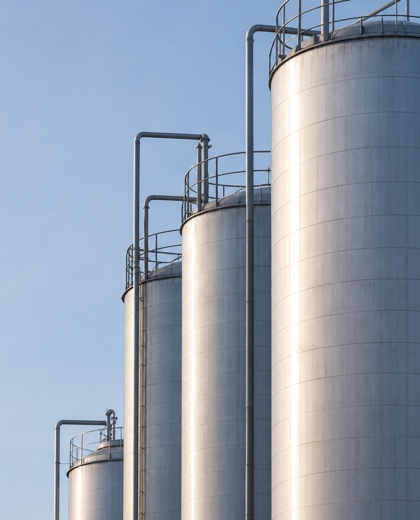
In production, with people using it
The return has to show up in the operation's ledger, so we measure the process before and after each delivery.
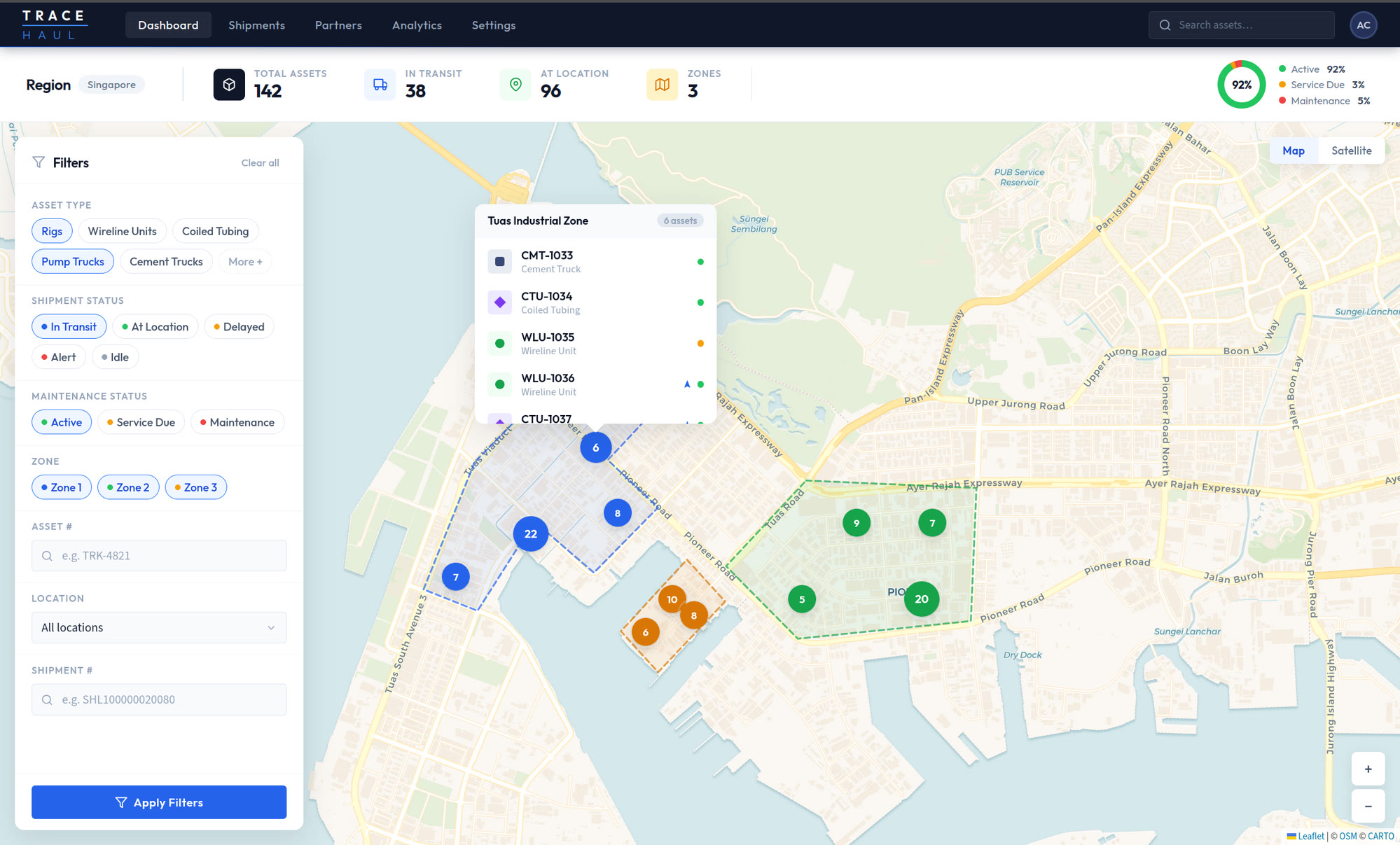
Operational visibility in real time, from the fracking site to the control center.
Asset tracking, supply logistics and field records on Google Cloud, with offline-first capture at the fracking site. The service data enters once, at the point of work, and reaches the control center five times faster.
- 5×
- Faster from the field to the control center
- Offline-first
- Local queue at the fracking site, no signal needed
- One entry
- The service data recorded once, at the point of work
- Google Cloud
- Asset tracking and supply logistics in the cloud
From upstream to downstream, one operation.
We serve all three segments with the same four services, because the underlying problem is the same: a distributed operation.
- Chain segments
- Upstream
- Field, assets and the commercial cycle of well services.
- Midstream
- Movement and storage, with assets distributed across bases.
- Downstream
- Distribution and service, with the data flowing back to the corporate systems.
- Capabilities
- Digital Modernization & Operational EfficiencyThe field app and the agents in the hands of the people who run the work.
- Platforms & IntegrationThe single layer over the regional systems.
- Data Analytics & AIThe operation's history and the models that run on it.
- Digital Products & Custom SolutionsThe new product, when no off-the-shelf software exists.
First the diagnosis, then the field operation.
We start by following one of your operations, and the first flow goes to production. A proof of concept is not a delivery.
Talk to a specialist
Presence that understands. Technology that delivers. Results that hold.